The International Energy Agency (IEA) projects that global investment in energy efficiency reached approximately $800 billion in 2025. Demand comes from energy costs, policy, and a large stock of older buildings. Insulation is one of the most practical ways into this market, and a Liquid Green spray foam franchise is one way to enter it.
If you are thinking about buying a business, it helps to understand the market before you look at any one franchise. This guide starts with the energy efficiency industry as a whole, then narrows its focus to insulation, where spray foam businesses operate.
In this post, we will answer the following questions:
- What is the energy efficiency industry?
- How big is it, and how fast is it growing?
- Why is demand for energy efficiency rising?
- What are the main sectors of the energy efficiency industry?
- Where does insulation fit, and what does it save?
- How does a franchise let you enter this market?
What Is the Energy Efficiency Industry?
Energy efficiency refers to getting the same results from less energy. For example, an LED light produces the same amount of light as an incandescent light but uses much less power. Similarly, insulating an attic keeps a home at the same temperature and therefore has the furnace running less frequently.
In each case, there is no difference in useful output. However, in each case, there was a reduction in energy input.
The energy efficiency industry encompasses all types of businesses involved in creating energy savings. Examples include manufacturers of energy-efficient products, contractors who install these products, auditors/consultants who assess structures, firms that provide software to monitor energy consumption, and lending institutions that fund upgrades.
It is not one trade. It is a group of trades and services connected by one goal: lower energy use for the same output.
It is also different from renewable energy. Renewable energy adds new supply, such as solar panels or wind turbines. Energy efficiency reduces the amount of energy a building or process needs in the first place.
The two work together. For example, a building that uses less heat will require a smaller solar panel system and a smaller heating system in order to perform the same function.
How Large Is the U.S. Energy Efficiency Market?
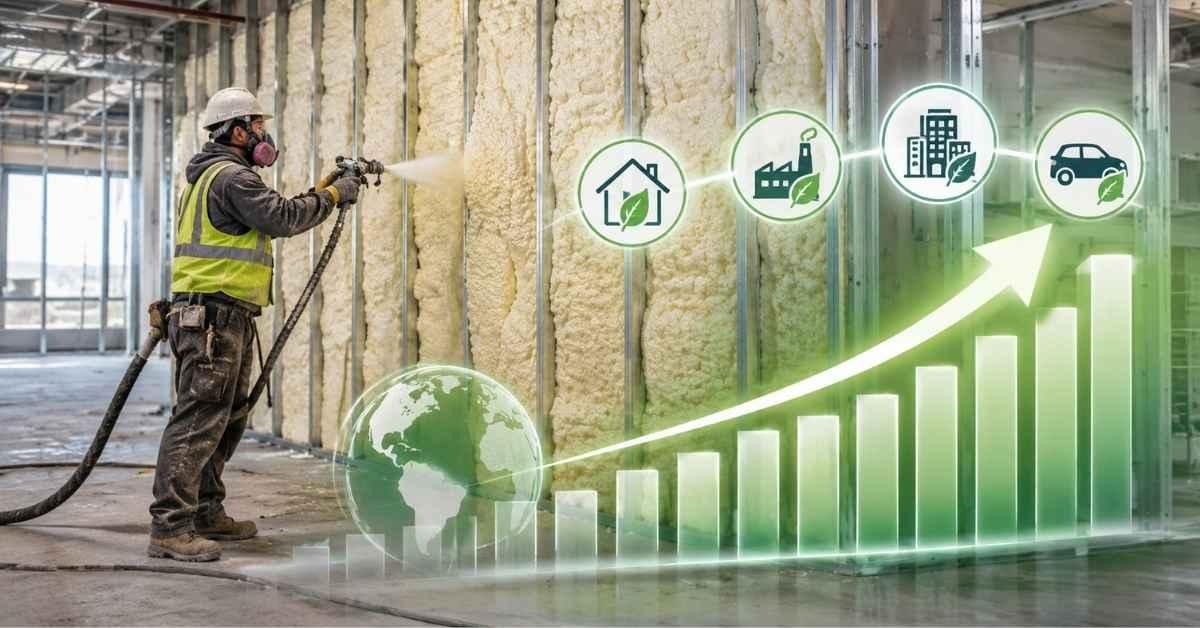
The U.S. has a significant and expanding energy efficiency sector. In 2024, an estimated 2.4 million people in the U.S. worked in some form of energy efficiency (Building Performance Association). Globally, the IEA expects efficiency-related investment to reach almost $800 billion in 2025, about 6% more than the year before.
These figures count many kinds of work, so treat them as a sign of scale, not as the revenue of any single market you could enter. The direction is still clear: money and jobs are moving toward products and services that cut energy use.
Still, there is plenty of growth potential. The IEA indicates that U.S. efficiency progress was less than 1% per year in 2025. It is significantly below the targeted 4% increase annually in global efficiency improvements through 2030.
Therefore, closing this gap requires the participation of installers, contractors and service companies.
Why Demand for Energy Efficiency Is Increasing
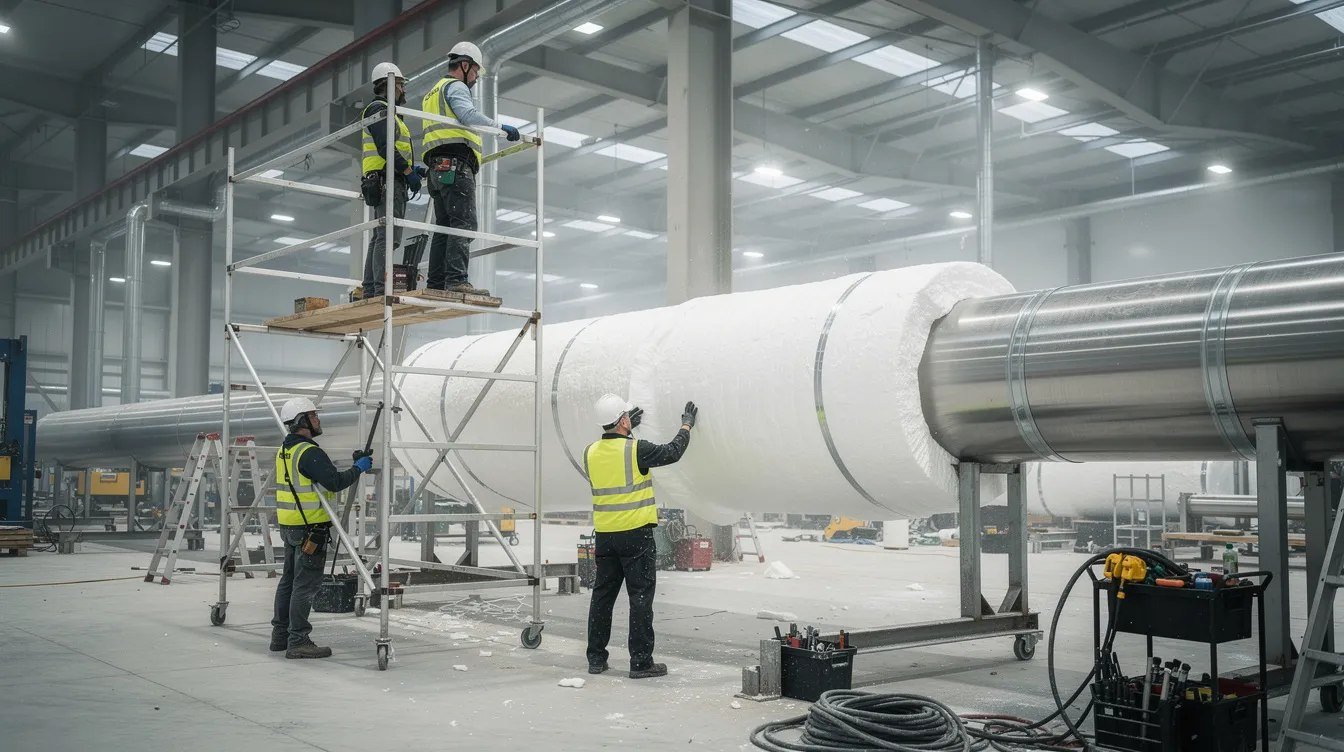
There are many factors driving this trend.
Energy bills. Heating, cooling, and power eat up a big chunk of what it costs to run a home or a commercial building. The IEA estimates that efficiency upgrades since 2000 have cut household energy bills in advanced economies by up to 20%. Once owners see savings like that, many start looking for the next project.
Policy. Building codes, equipment standards, and incentive programs keep creating work for installers and service companies.
Cooling. Energy used for cooling has grown more than 4% a year since 2000, according to the IEA. That is the fastest rate of any building use. A building that keeps the heat out doesn’t have to run the air conditioning as hard.
Older buildings. There are a lot of them, and most can be improved.
Put together, this adds up to steady demand that doesn’t depend on a trend. It doesn’t guarantee any one business will do well, but it explains why the market keeps growing.
What Are the Main Sectors of the Energy Efficiency Industry?
Energy efficiency covers a lot of ground. Here are the main areas.
Buildings.
The IEA says buildings account for around 30% of global energy demand. The work here includes insulation, air sealing, window upgrades, efficient heating and cooling systems, and smart thermostats.
Industry.
Factories burn through energy on heat, motors, and machinery. Efficiency projects here range from recovering waste heat to installing better motors and controls to insulating pipes and equipment.
Heating, cooling, and appliances.
Think heat pumps, efficient furnaces and air conditioners, LED lighting, and ENERGY STAR appliances. Big manufacturers build them, but local contractors sell, install, and service them.
Transport.
This area covers fuel-efficient vehicles, electric vehicles, and fleet management. It’s mostly a manufacturing and fleet business, so it’s less of a fit for a local service owner.
Energy services and software.
Energy audits, performance contracting, monitoring platforms, and consulting live here. These companies spot where energy is being wasted and point owners to the contractors who can fix it.
If you want to own a local business, buildings are the easiest way in. The work happens close to home, your customers are homeowners and nearby businesses, and the skills can be learned. That’s where insulation comes in.
Where Does Insulation Fit in the Energy Efficiency Industry?
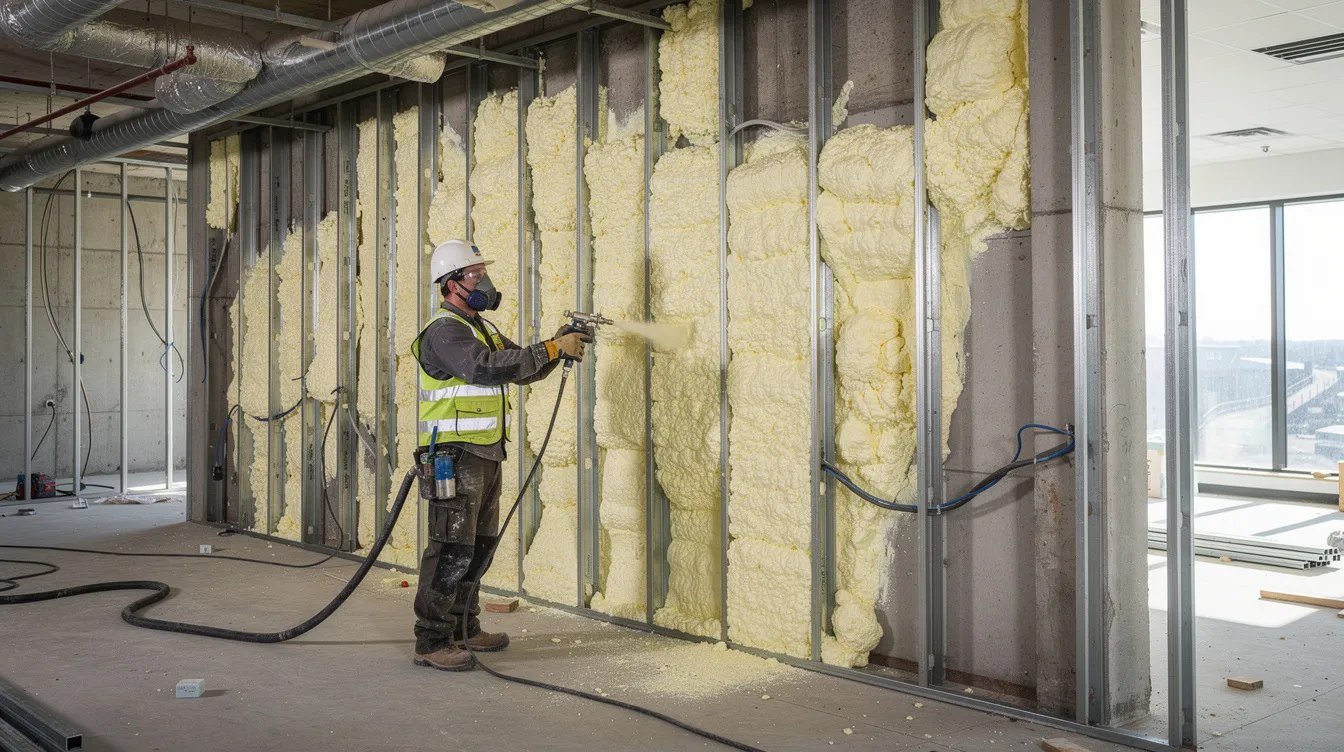
Insulation fits into the building industry and addresses the source of all energy loss. Heat always travels from warmer spaces to cooler ones. In colder climates (winter) it will escape your home. In warmer climates (summer), it will flow inward. Insulation just slows down this travel.
Air Sealing eliminates the air leak paths that allow heat, moisture, etc., to pass through holes or cracks in a structure. A reduction in lost heat means your heating and cooling equipment operate less often.
This matters since, as previously mentioned, the IEA states that space and water heating account for approximately 70% of total energy usage in homes throughout developed countries. By reducing the demand for this heat, it is one of the few solutions that helps improve all aspects of a building's performance.
What Does Insulation Actually Save?
The U.S. Environmental Protection Agency (EPA) publishes estimates through ENERGY STAR. It says homeowners can save an average of 15% on heating and cooling costs, or an average of 11% on total energy costs, by air sealing and adding insulation in attics, floors over crawl spaces, and basements. See the ENERGY STAR seal and insulate page for details.
These are averages. Real savings depend on the climate, the age of the building, the starting level of insulation, and how well the work is done. A drafty older house with a thin attic layer can save more. A newer, tighter house will save less. A good installer explains this honestly before quoting a job.
What Types of Insulation Are Used?
The common materials are fiberglass, cellulose, mineral wool, and spray foam. Each has a place. Fiberglass batts and blown-in cellulose are common in attics and open walls. Mineral wool is used where fire resistance and sound control matter.
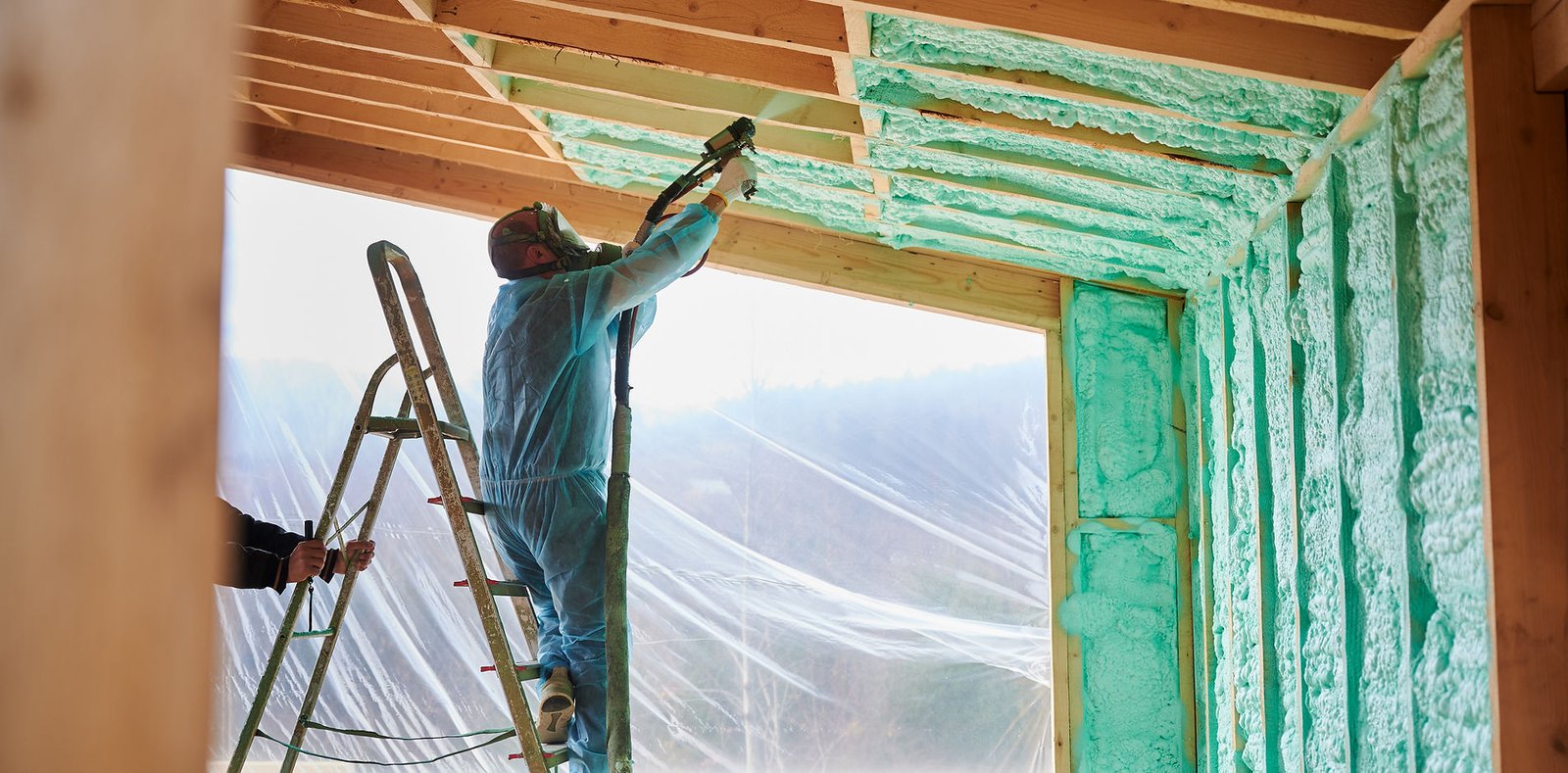
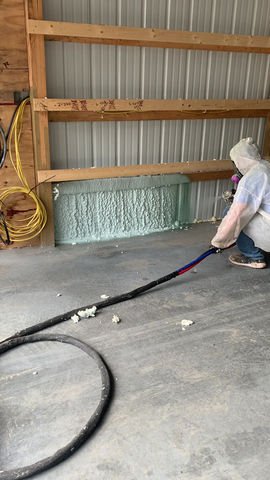
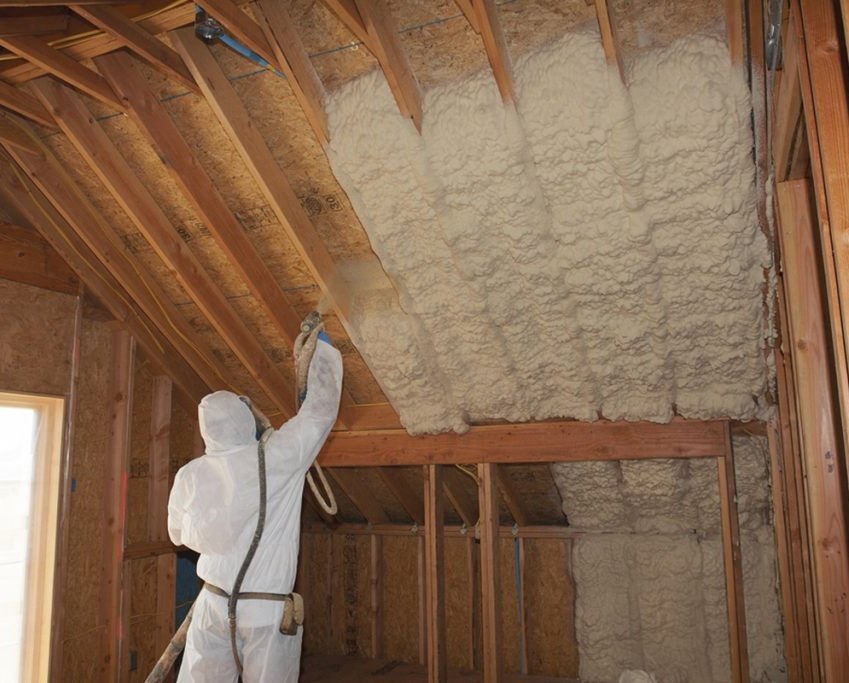
Spray foam is applied as a liquid that expands, so it fills gaps and cracks. That means it insulates and air-seals in one application, which is why it is popular for attics, rim joists, crawl spaces, and new construction.
Insulation is also passive. It has no moving parts and does not depend on software. Once it is installed correctly, it keeps working without regular upkeep. That makes it a dependable base for any long-term energy plan.
Why Is Insulation a Practical Way Into the Energy Efficiency Industry?
Insulation has several traits that suit a small business owner.
The service is local.
Every house, attic, and commercial building is in a specific place. Customers want a nearby company they can trust, which gives a local operator a natural base of work.
The work is learnable.
The technology is mature. The skills are about technique, safety, estimating, and customer service. A good training program can teach people who have not worked in construction before.
The equipment is mobile.
A spray foam business operates from a vehicle and a piece of equipment known as a rig, and does not require a rented storefront. Therefore, the fixed overheads are lower than those of businesses that need a leased shop.
Revenue still depends on your market, your selling, and how well you run crews and jobs.
The customer base is wide.
Any homeowner, builder, remodeler or commercial property owner wants to insulate their building. All types of businesses provide you with work, whether it is retrofitting an existing building or providing insulation for a new build.
All of this does not eliminate risk, such as:
- Local competition,
- labor shortages,
- material costs,
- and seasonal swings, all of which affect an insulation business.
Be skeptical of any claim that insulation is guaranteed or recession-proof. Look at Item 19 of the Franchise Disclosure Document (FDD) if a franchisor makes claims regarding the revenue potential of their franchise. Liquid Green's Item 19 is limited to a single company-owned location; therefore, view it accordingly.
How Does a Franchise Help You Enter the Energy Efficiency Industry?
You can enter the insulation market by starting from scratch or by joining a franchise. Starting from scratch means building your own training, brand, supplier relationships, and marketing. A franchise gives you a system to follow, in exchange for fees and following the franchisor's standards.
Typical franchise support includes:
- Training on products, installation methods, safety, and estimating
- Standard processes for jobs, customer service, and reporting
- Brand recognition that helps when customers choose a contractor
- Marketing tools, such as a CRM platform and a national marketing fund
A franchise does not remove the work of running a business. It reduces the number of things you have to invent yourself. If you have not owned a business before, read our guide on franchise for beginners to learn the terms you will see in the paperwork.
What Does a Liquid Green Spray Foam Franchise Involve?
Liquid Green is a spray foam insulation franchise serving residential and commercial construction. The estimated initial investment is $160,000 to $199,000, according to Item 7 of the Franchise Disclosure Document (FDD). That covers the franchise fee, spray foam equipment, a vehicle, starting inventory, and the working capital to get your first months off the ground.
You also get training before you open, along with ongoing guidance from the Liquid Green team. For the full breakdown of costs, fees, training, and territory, request the franchise kit and speak with the team directly.
Our spray foam franchise cost breakdown is a good place to start. You can also explore all of the spray foam franchise opportunities, or see franchises under $200,000 and where spray foam fits.
A franchise does not guarantee results. Your local market, your management, and your commitment still decide how the business performs. Read the FDD with an attorney and an accountant before you decide.
Conclusion
The energy efficiency industry is large, growing, and made up of many sectors, from buildings and factories to appliances, transport, and software. Demand comes from energy bills, policy, rising cooling needs, and a large stock of buildings that can be improved.
Insulation is one of the most accessible parts of the market because it is local, learnable, and tied directly to how much energy a building uses.
The right question is not only whether the market will grow. It is whether the business fits your goals, your local market, and your budget.
Ready to explore the energy efficiency industry as a business owner? Request a Liquid Green Franchise Kit to review available territories and the investment details.