Why Veterans Make Strong Franchise Owners
Veterans are trained to lead, follow procedures, and adapt when the plan changes. Those habits are exactly what it takes to run a system-based business.
Franchising gives you a proven model to execute, plus training and support along the way. For many veterans, that structure makes the jump to business ownership smoother than starting from scratch.
Veterans are also already proven owners. According to SBA veteran business data, "Veterans were the majority owners of over 1.6 million firms, which employ nearly 3.3 million workers. According to the latest official data, veterans represent 5.5% of business owners in the U.S."
How Military Skills Map to Spray Foam Work
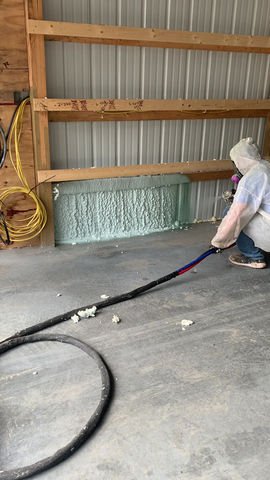
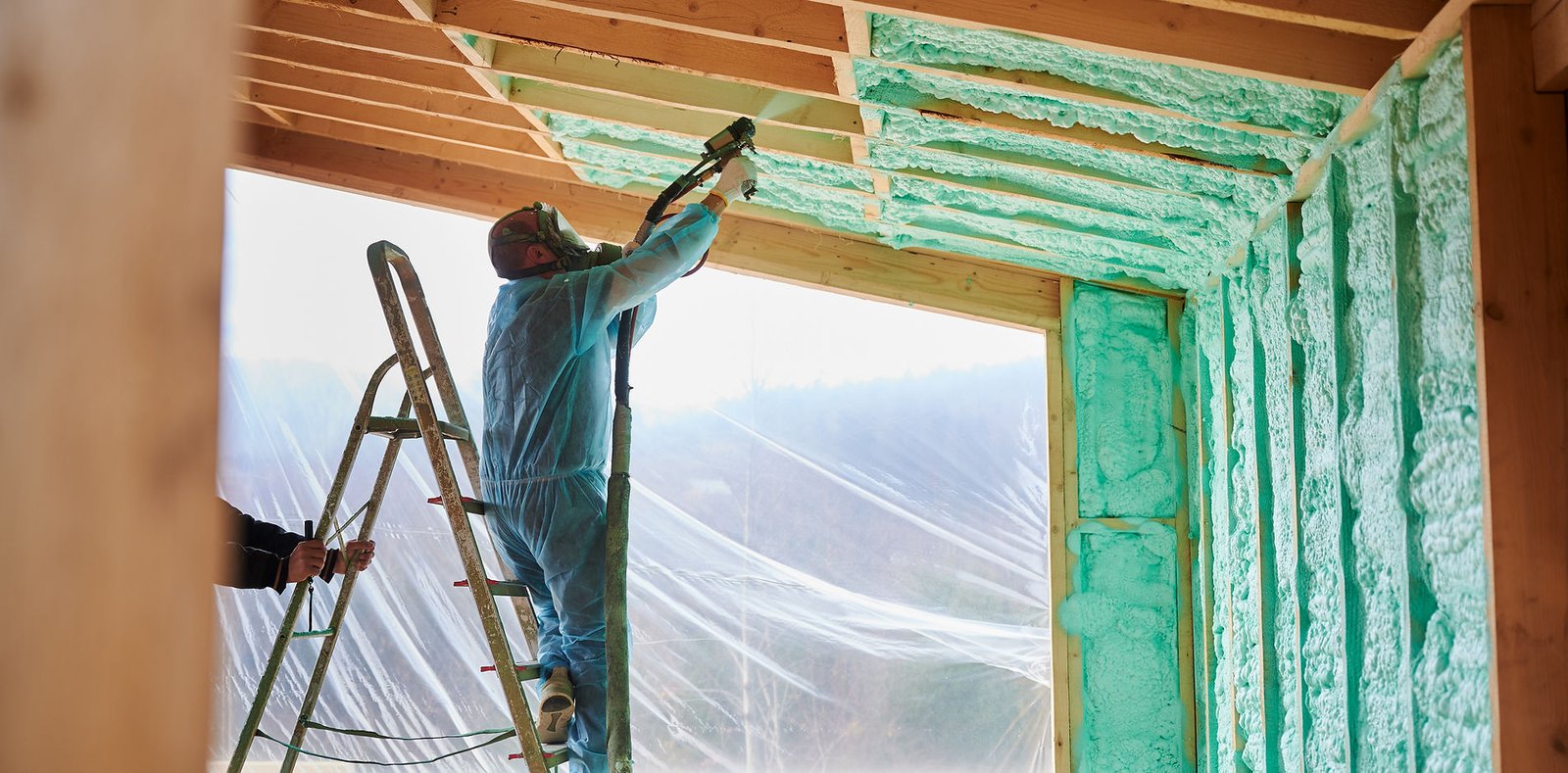
Spray foam is hands-on, technical work with clear standards, which is why military experience translates so well. The table below shows how everyday service skills line up with the job.
| Military skill | How it applies to spray foam |
|---|---|
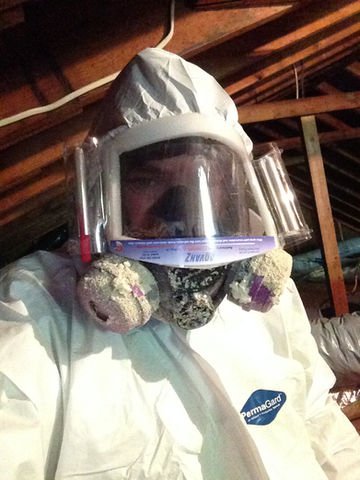
| Safety and PPE discipline | Following respirator, suit, and job-site safety rules every time |
| Operating equipment | Running and maintaining the spray rig and application gun |
| Following procedures (SOPs) | Hitting correct mix ratios, temperatures, and application specs |
| Attention to detail | Applying even coverage and thickness for a quality result |
| Physical readiness | Handling active, on-site work across residential and commercial jobs |
| Teamwork and leadership | Running and directing a small, reliable crew |
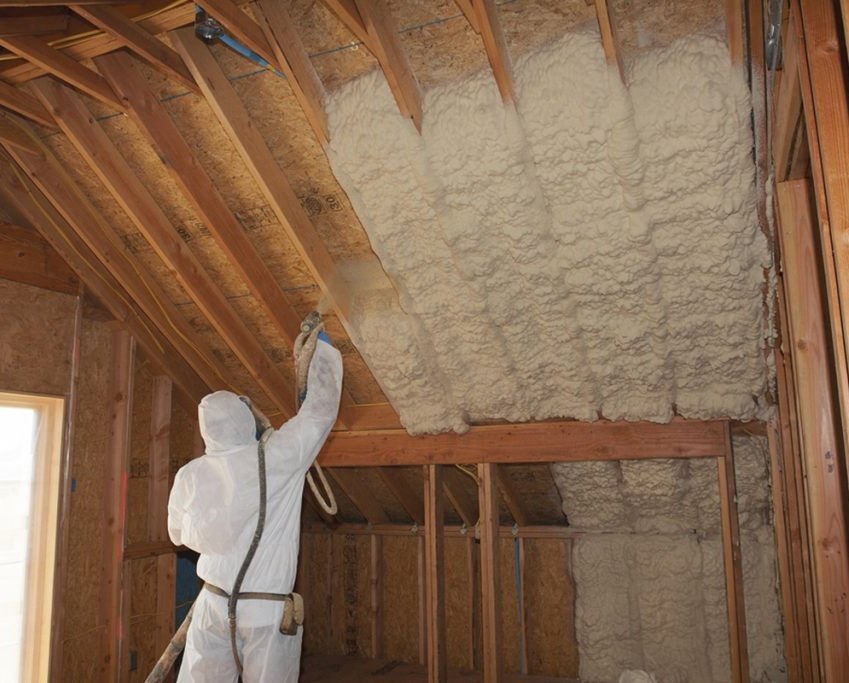
The product itself is straightforward once you learn it. Crews install open and closed cell foam, two types of insulation suited to different jobs.
What "Cheap" Really Means: Franchise Costs for Veterans
"Cheap" is about total startup investment, not just the franchise fee. The franchise fee is one upfront cost, while the total investment also covers equipment, training, initial supplies, and launch expenses.
Low-overhead models cost less to run. A mobile business with no storefront and no large staff keeps ongoing costs down, which is a big reason home-services franchises appeal to veterans.
Here is how a spray foam model compares to many larger insulation brands.
| Cost factor | Liquid Green | Many major insulation franchises |
|---|---|---|
| Total startup investment | $136,000 – $194,000 | $200,000 – $500,000+ |
| Storefront required | No (mobile) | Often yes |
| Territory | Protected territory | Varies |
You can see the full investment, training, and application details when you download the franchise kit.
Veteran Incentives, Discounts, and Financing
Many franchise brands offer veterans a break on cost through the VetFran program run by the franchising industry. Per VetFran veteran incentives, "More than 650 franchise brands participate in VetFran… Discounts typically range from 10% to 25% of the franchise fee."
Financing help is also available. According to SBA veteran loan support, "Qualified veterans and military members (including spouses) may receive reduced upfront guaranty fees on select SBA 7a loans."
Beyond loans, veterans often combine several funding sources to get started:
- Grants and competitions: Money you may not have to repay if you meet the requirements.
- Retirement rollovers (ROBS): Using retirement funds to invest without an early-withdrawal penalty.
- Partnerships or personal savings: Sharing the investment or funding part of it yourself.
Always confirm the current terms and any brand-specific discount before you sign, since programs and amounts change.
Why Spray Foam Is a Growing Market
Insulation demand is durable because heating and cooling is the biggest energy cost in most homes. As ENERGY STAR on home energy explains, "Nearly half of the energy used in your home goes to heating and cooling."
Good insulation pays homeowners back, which keeps customers calling. Per the EPA insulation savings estimate, "EPA estimates that homeowners can save an average of 15% on heating and cooling costs (or an average of 11% on total energy costs) by air sealing their homes and adding insulation in attics, floors over crawl spaces and basements."
The category is expanding, too. The global spray foam market forecast states, "The global spray foam insulation market size was worth around USD 2.87 Billion in 2024 and is predicted to grow to around USD 5.47 Billion by 2034 with a compound annual growth rate (CAGR) of roughly 6.8% between 2025 and 2034."
That demand shows up in both homes and businesses, giving owners a steady stream of residential and commercial work.
No Experience Needed: How Training Works
The most common veteran worry is a lack of civilian business experience. With spray foam, that is not a barrier, because you learn the system through structured training, which is how the military teaches, too.
A typical path includes 20 hours of hands-on training plus a one-to-two-week onboarding at headquarters. Training covers equipment, application technique, sales, operations, marketing, and compliance, so you launch prepared.
You also get a protected territory and ongoing support instead of figuring it out alone. If you want the technical case for the product, read why spray foam performs compared to conventional insulation.
Questions Every Veteran Should Ask Before Buying
Before you commit, work through a short checklist so you buy with clear eyes.
- Goals fit: Does this business match what you want from ownership?
- Total capital: How much do you need for startup plus your first year?
- Local demand: Is there enough work in your territory?
- Franchisor support: What training, tools, and track record back you up?
- Veteran incentives: Which discounts or financing can you use?
- Legal review: Have you reviewed the Franchise Disclosure Document with an attorney?
- ROI timeline: How long until the business is expected to turn a profit?
Talking to the people behind the brand matters, so learn the Liquid Green story and ask direct questions before you decide.
Your Next Step Toward Franchise Ownership
Turning interest into action is simple when you take it one step at a time.
- Self-assess: Match your goals, budget, and skills to the model.
- Research the model and territory: Confirm demand in your market.
- Review the details: Read the franchise kit and the FDD.
- Line up funding: Combine savings, loans, and veteran incentives.
- Talk to the team: Ask your questions and start your application.
When you are ready to compare the numbers, explore the Liquid Green franchise and start your plan.